SynGallery: A Synthetic Gallery of Real Paintings for Instance-Level Artwork Recognition
Abstract
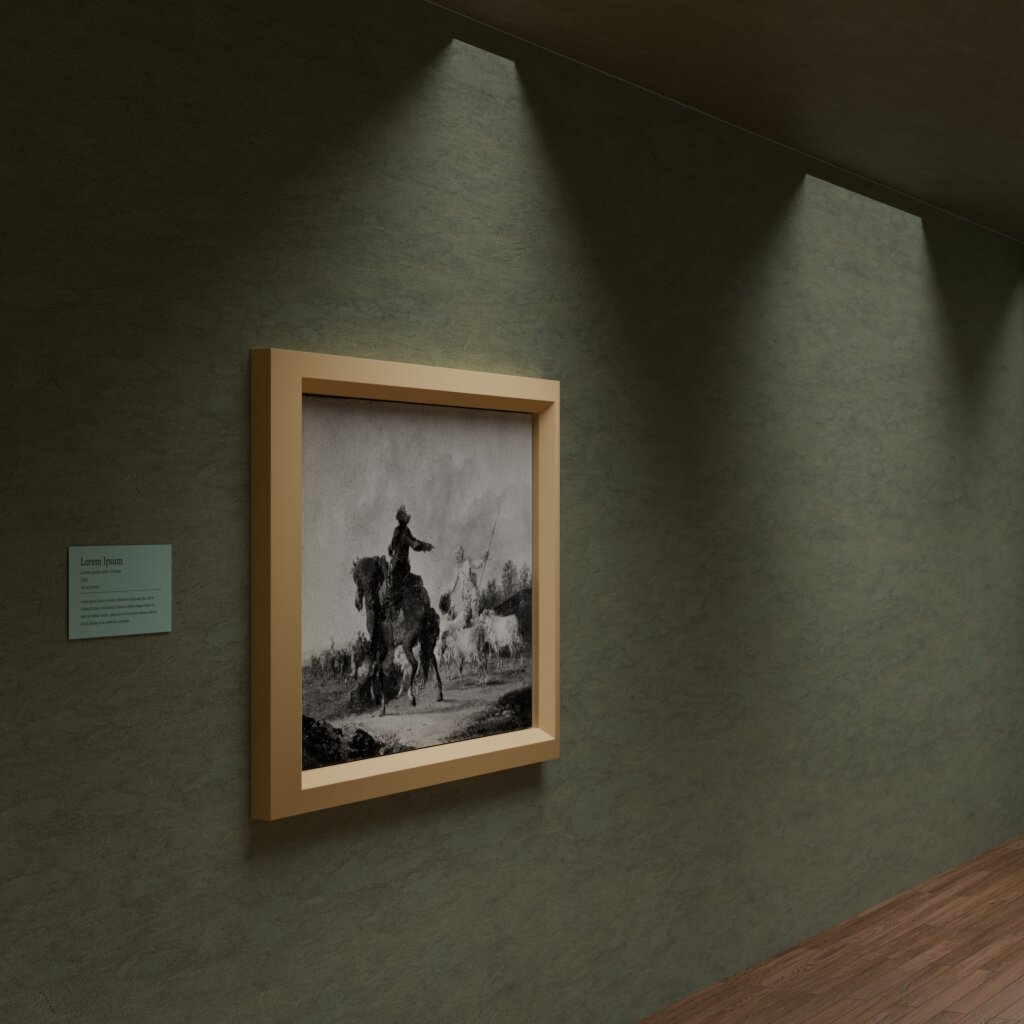
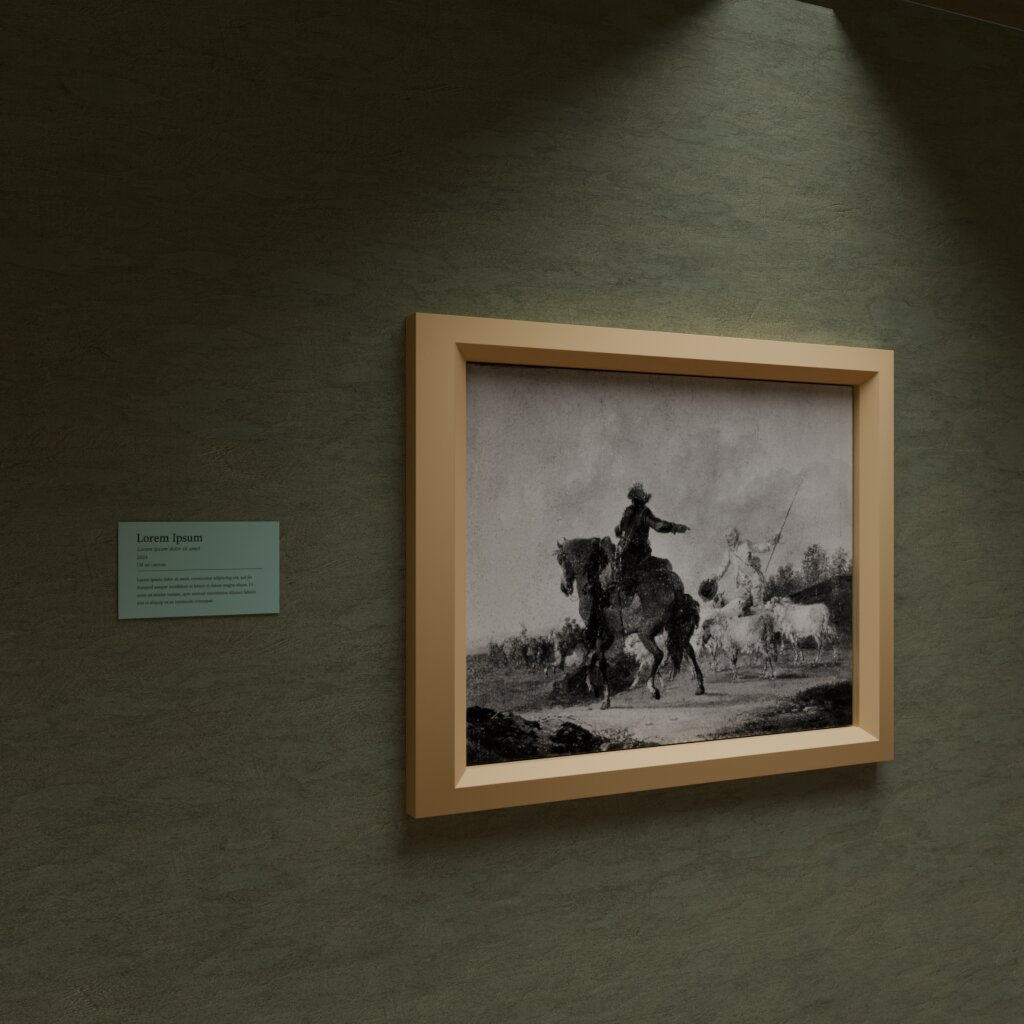
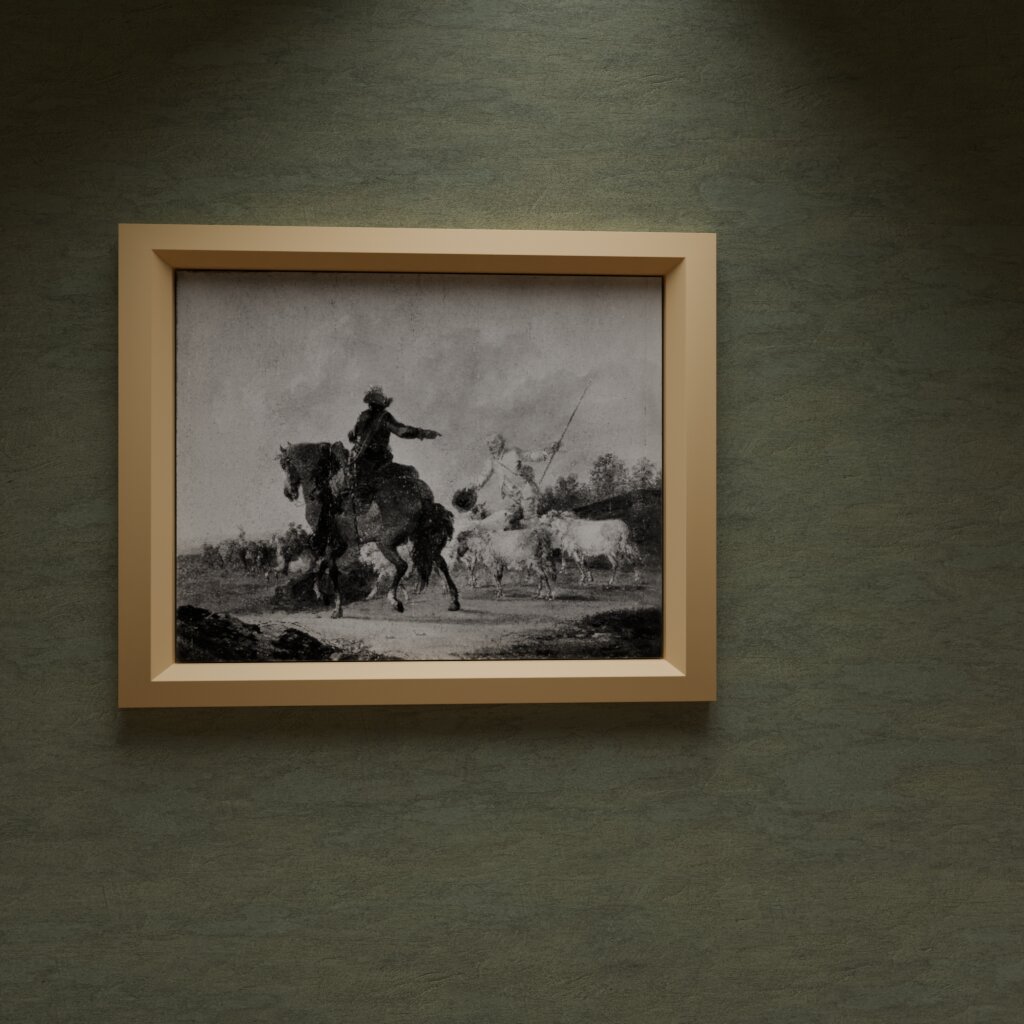
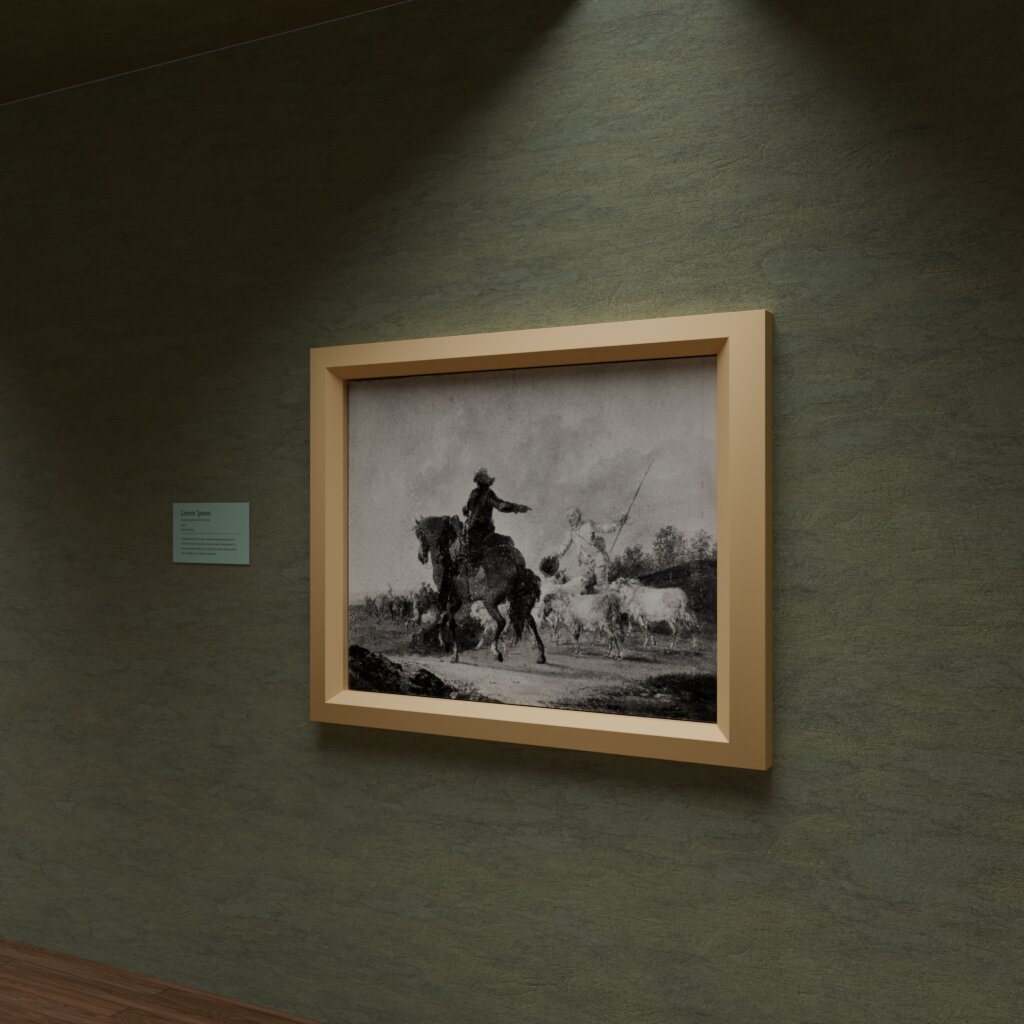
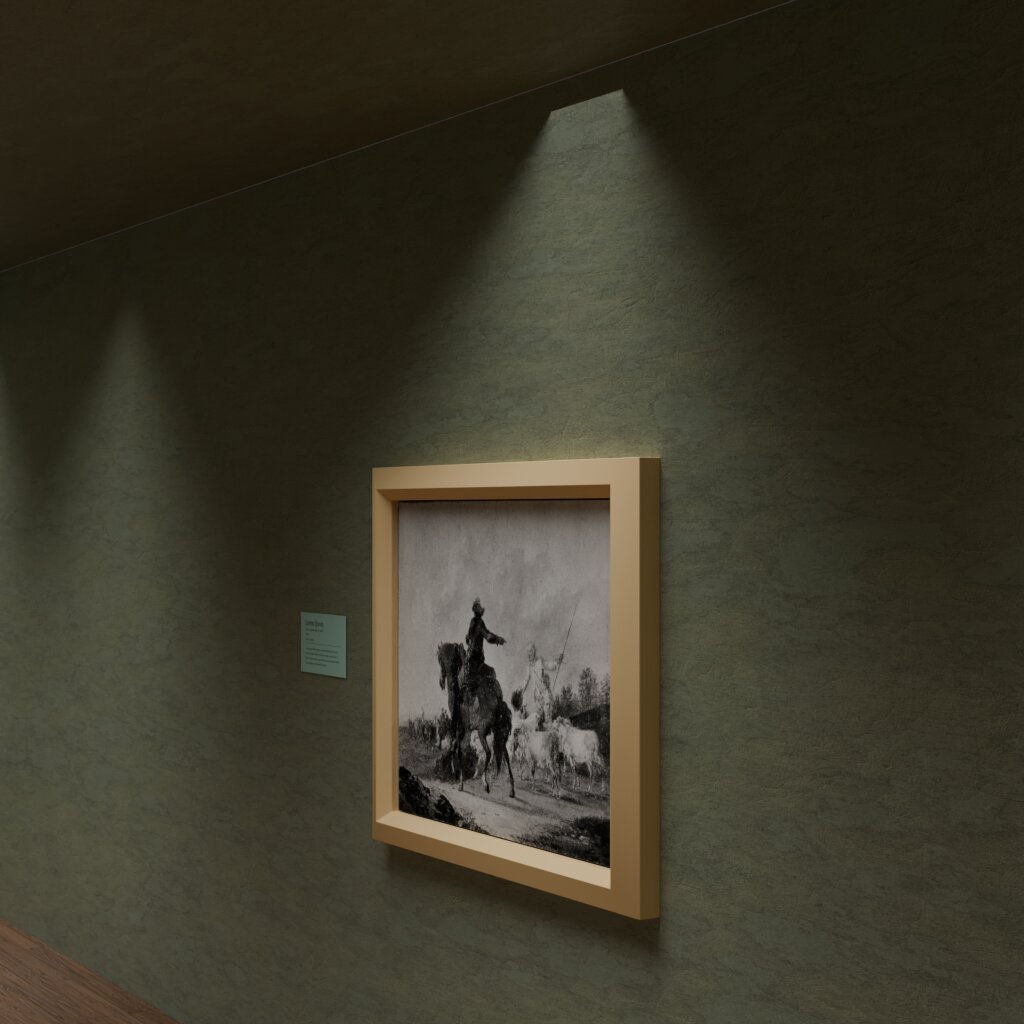
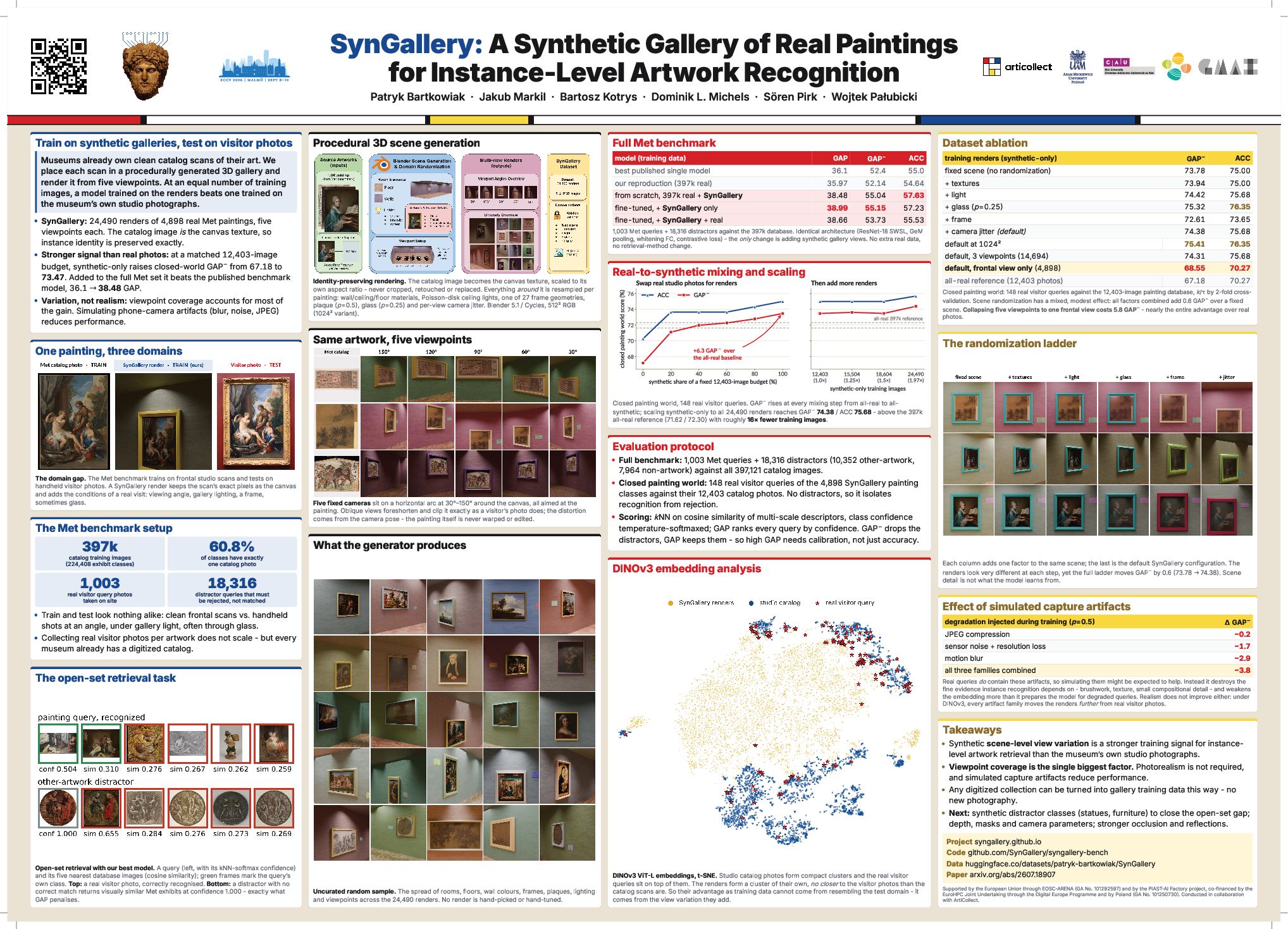
Instance-level artwork recognition requires matching a handheld visitor photograph to a specific work in a large museum collection. This is challenging because painting datasets typically provide clean catalog images for training, while test queries are captured under oblique viewpoints, gallery lighting, reflections, frames, and other scene-level variations. We present SynGallery, a synthetic gallery dataset for artwork retrieval that addresses this gap without collecting additional real photographs. Starting from catalog images of real paintings, we place each artwork into a procedurally generated 3D gallery scene and render it from multiple viewpoints under varied geometric and appearance conditions, while preserving the exact identity of the original work.
The resulting dataset contains 24,490 rendered views of 4,898 paintings from the Met benchmark. We show that these synthetic views provide a stronger training signal than the corresponding studio photographs. At the same number of training data points, training only on SynGallery improves art painting recognition from 67.18 to 73.47 GAP−. When added to the full Met training set, SynGallery improves the published benchmark protocol from 35.97 to 38.48 GAP. Ablation experiments show that the gain comes from scene-level view variation rather than photographic realism: reducing the five rendered viewpoints to a single frontal view removes most of the improvement, while simulating capture artifacts such as blur, sensor noise, and image compression consistently reduces performance.
Method Overview
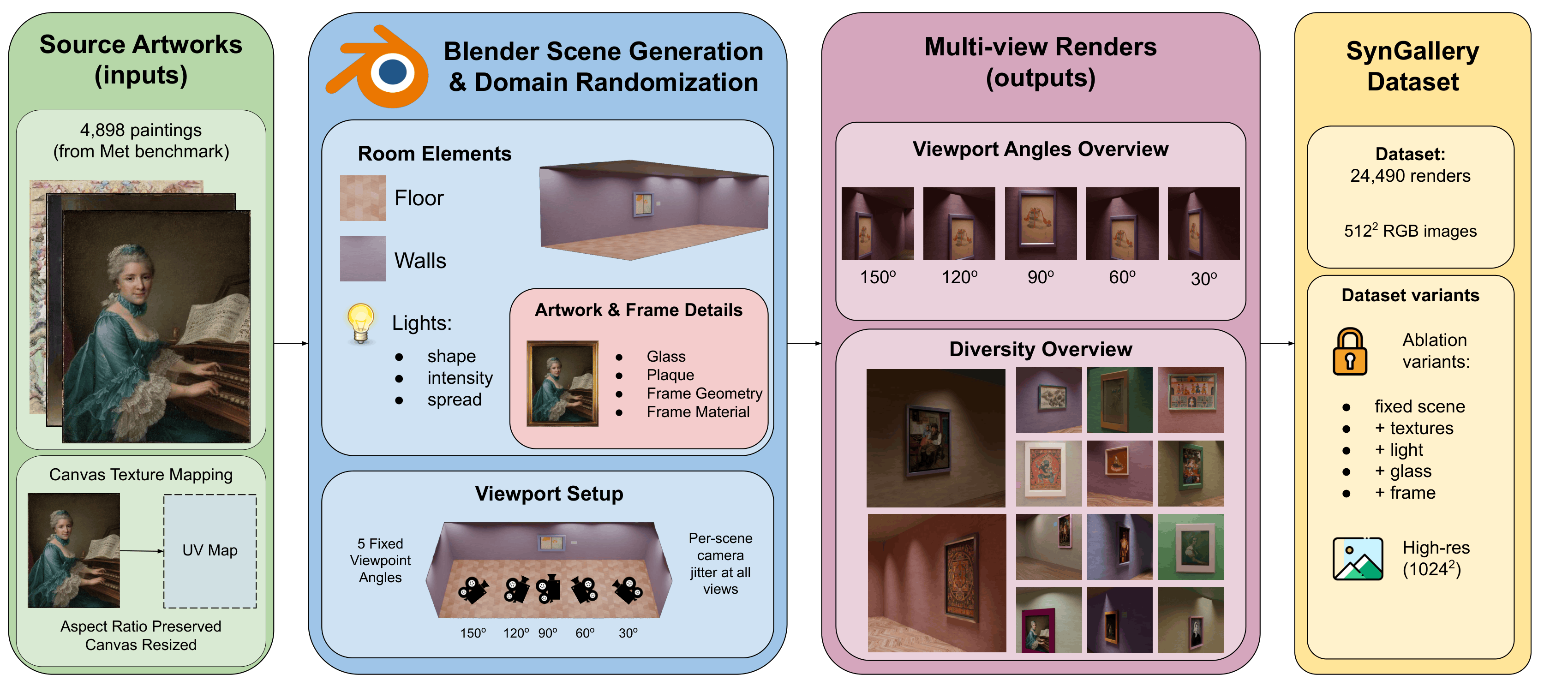
From a single catalog image, SynGallery places each painting in a procedurally generated 3D gallery and renders it from multiple viewpoints under varied geometric and appearance conditions, while preserving the exact identity of the original work.
Sample Renders
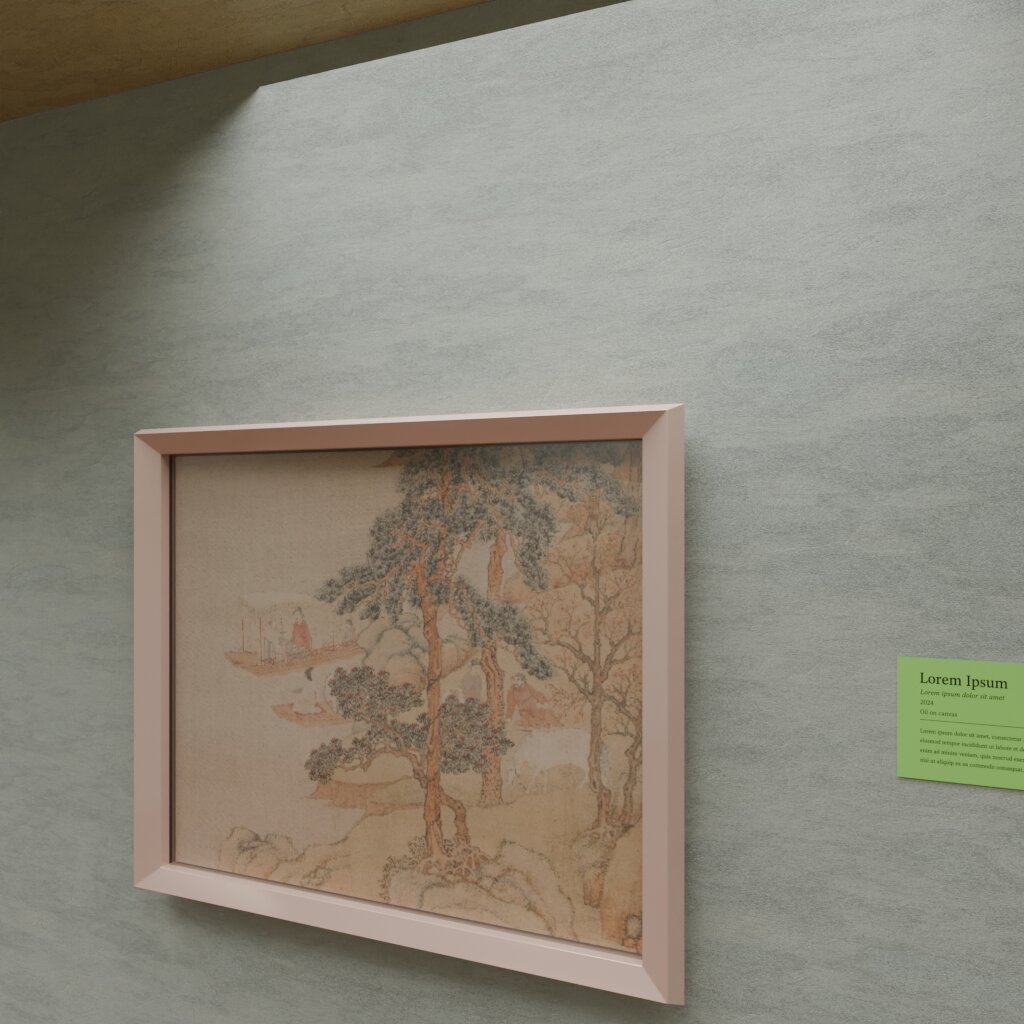
潯陽送客圖 (Song of the Lute) · Ding Yunpeng, 1585
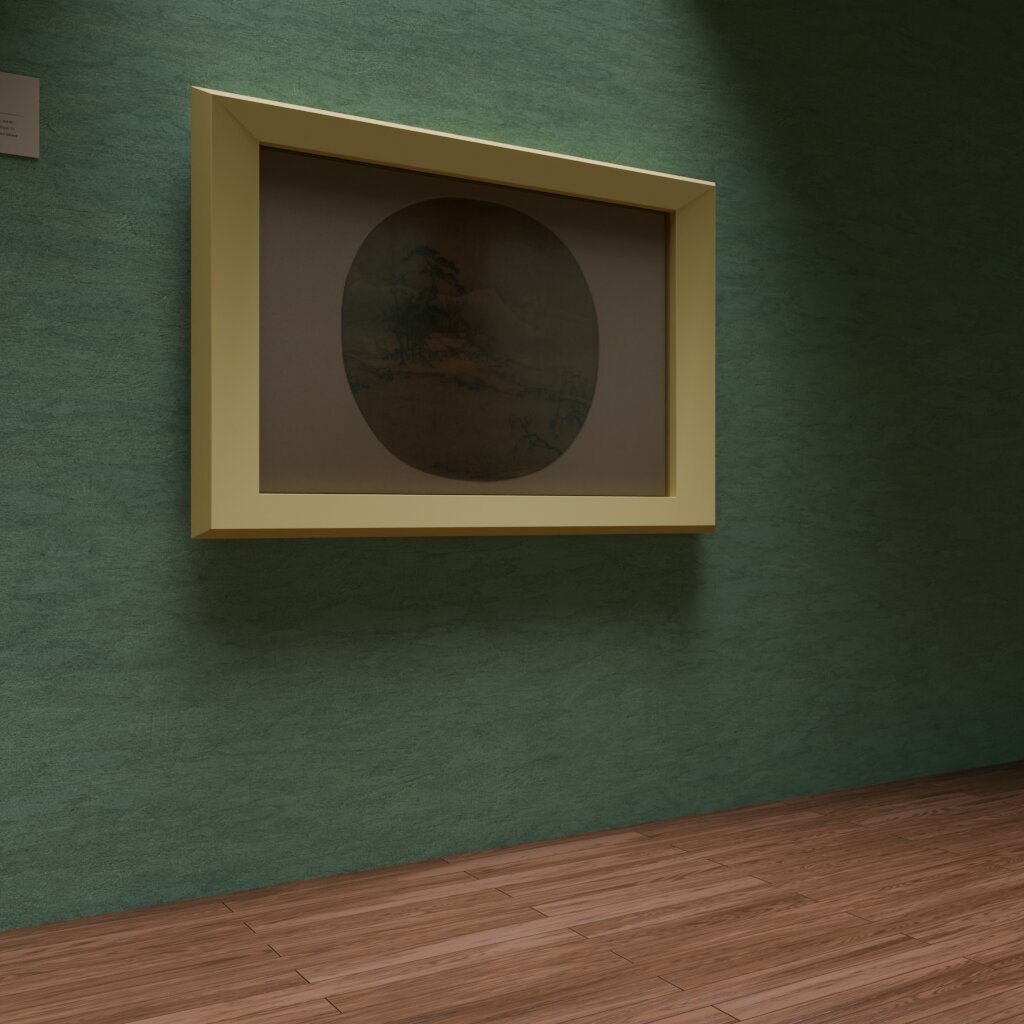
冬景圖 (Winter Landscape) · Unidentified artist, 13th century
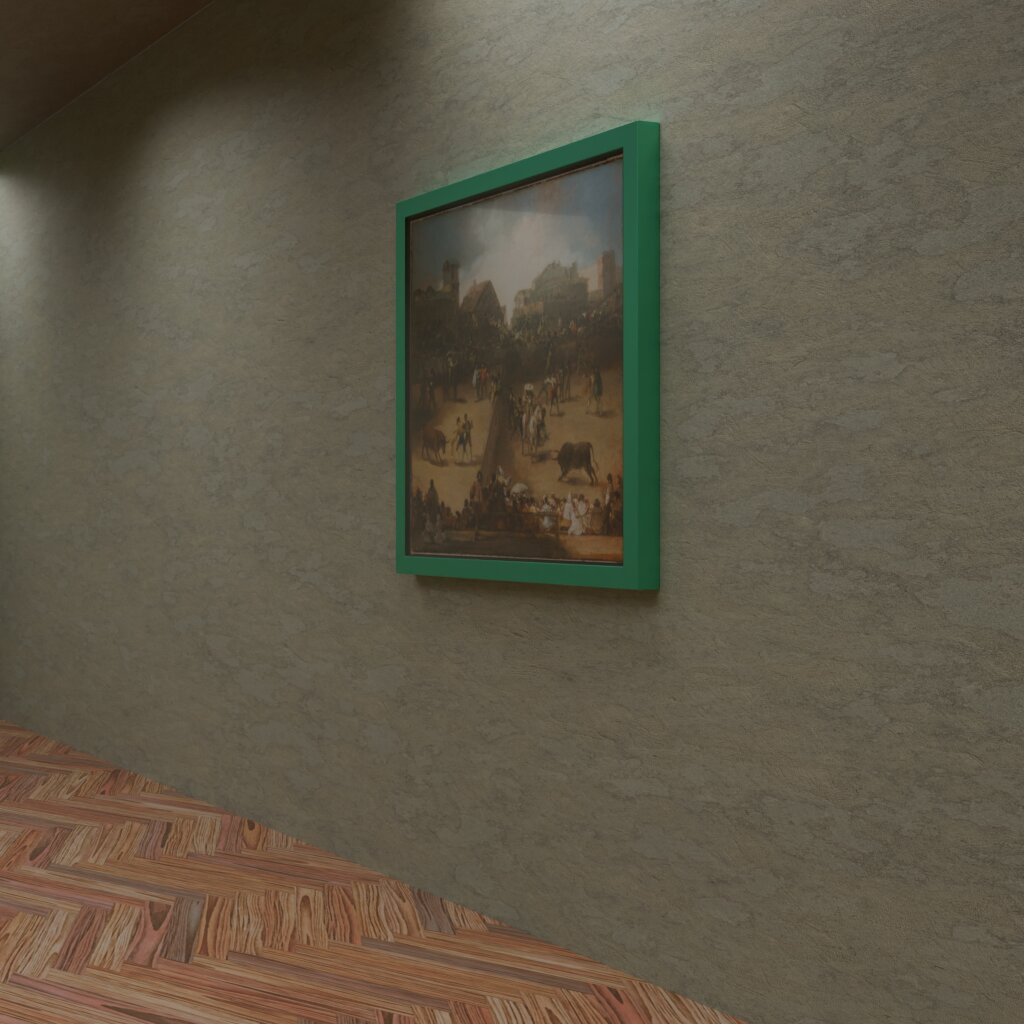
Bullfight in a Divided Ring · Goya
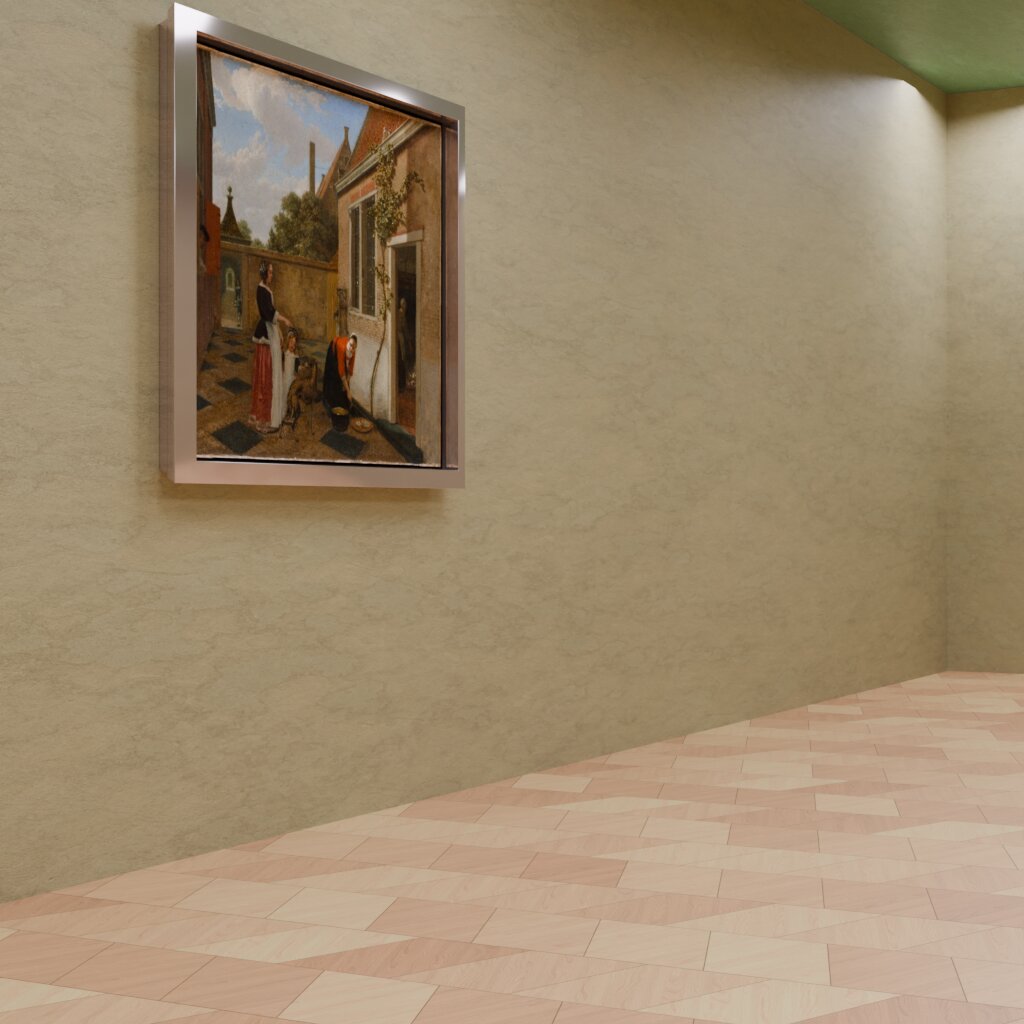
Scene in a Courtyard · Ludolf de Jongh, early 1660s
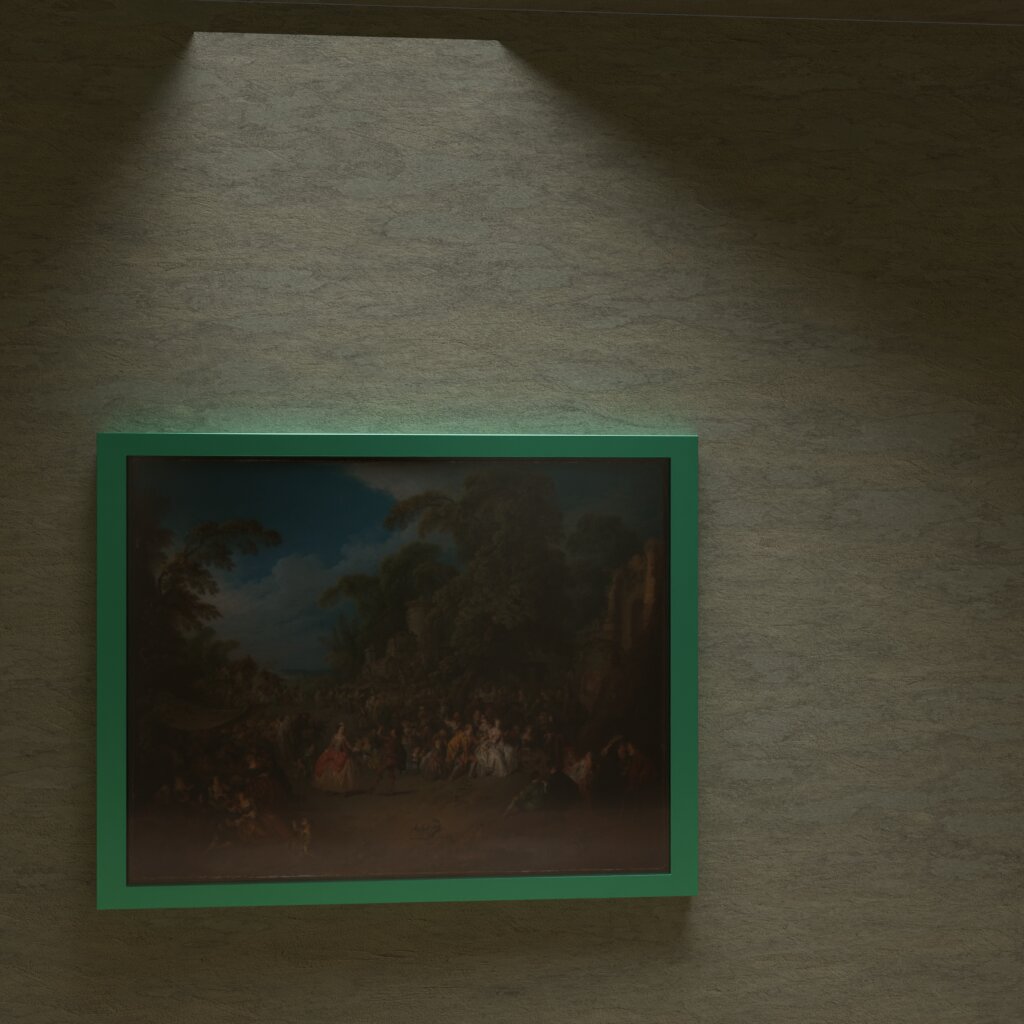
The Fair at Bezons · Jean-Baptiste Joseph Pater, ca. 1733
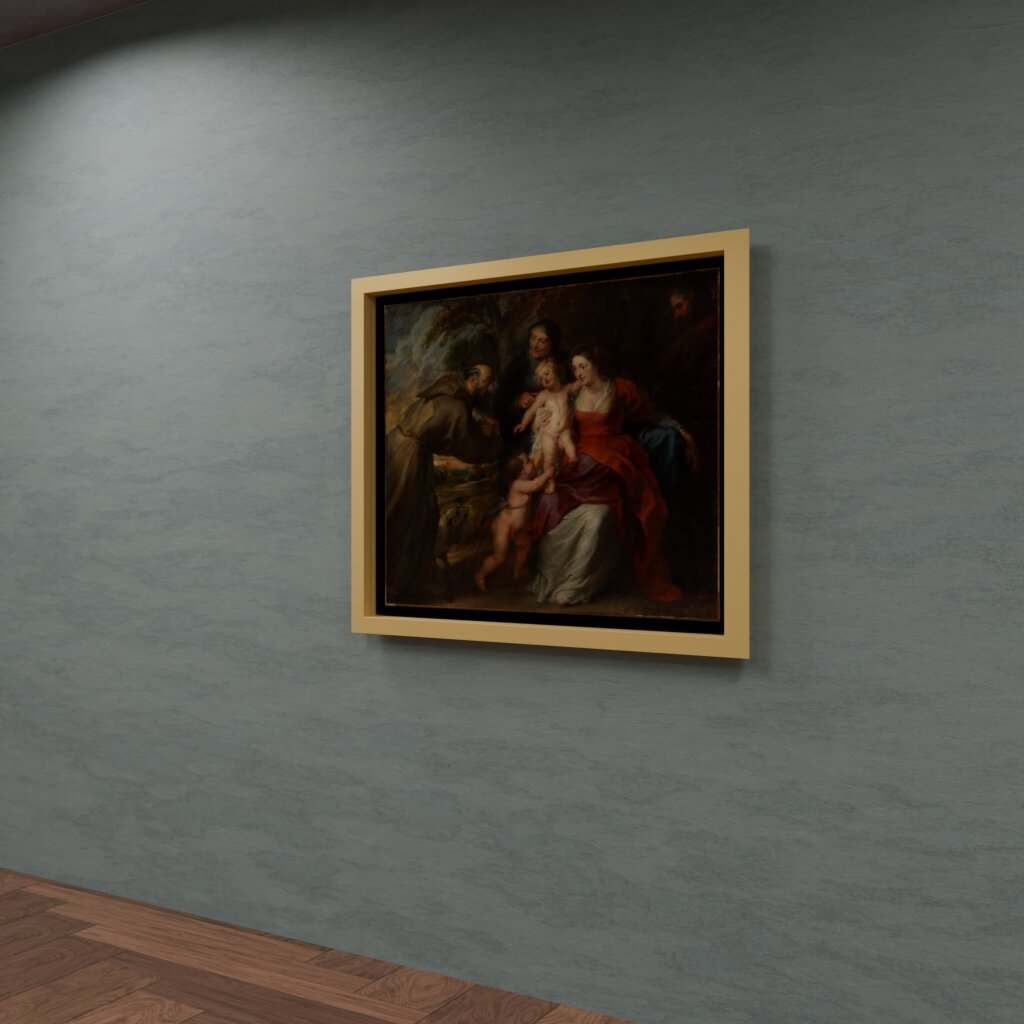
The Holy Family with Saints Francis and Anne and the Infant Saint John the Baptist · Peter Paul Rubens, early/mid-1630s
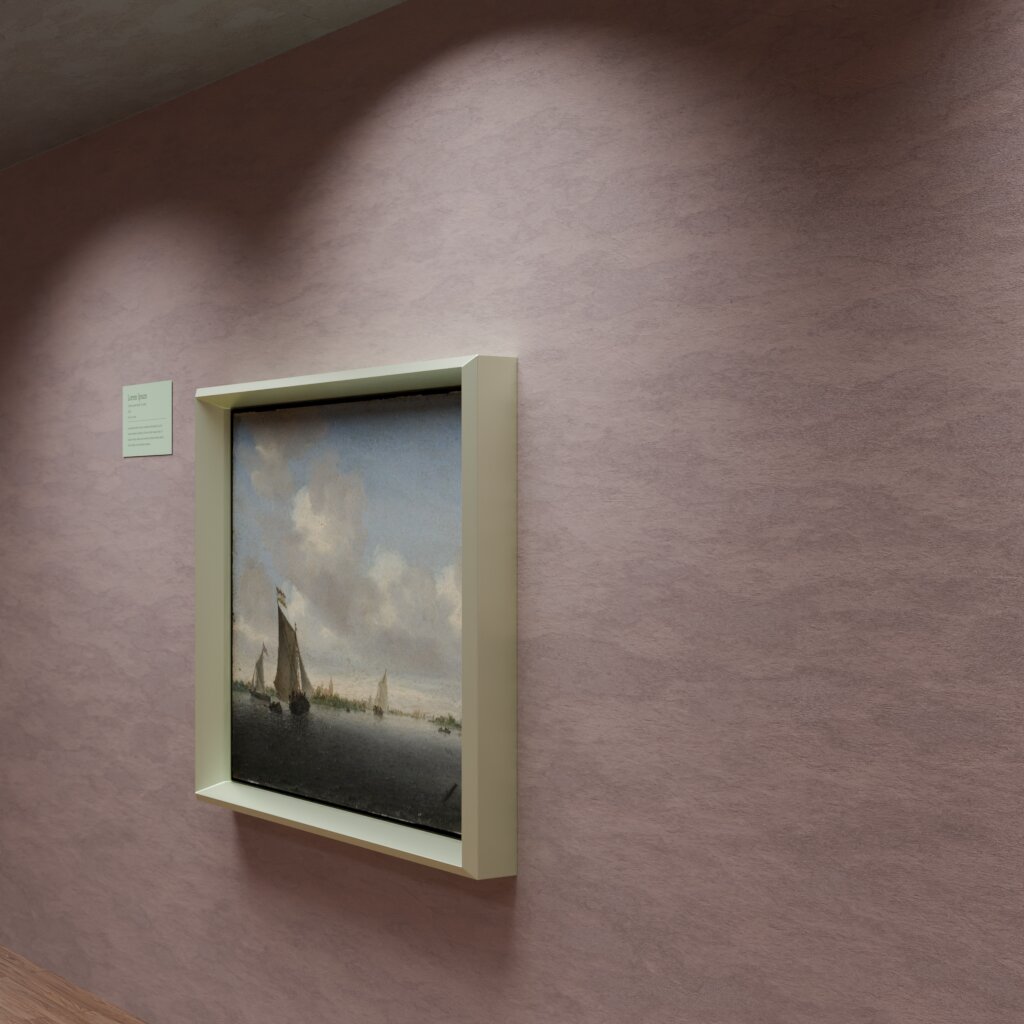
Marine · Salomon van Ruysdael, 1650
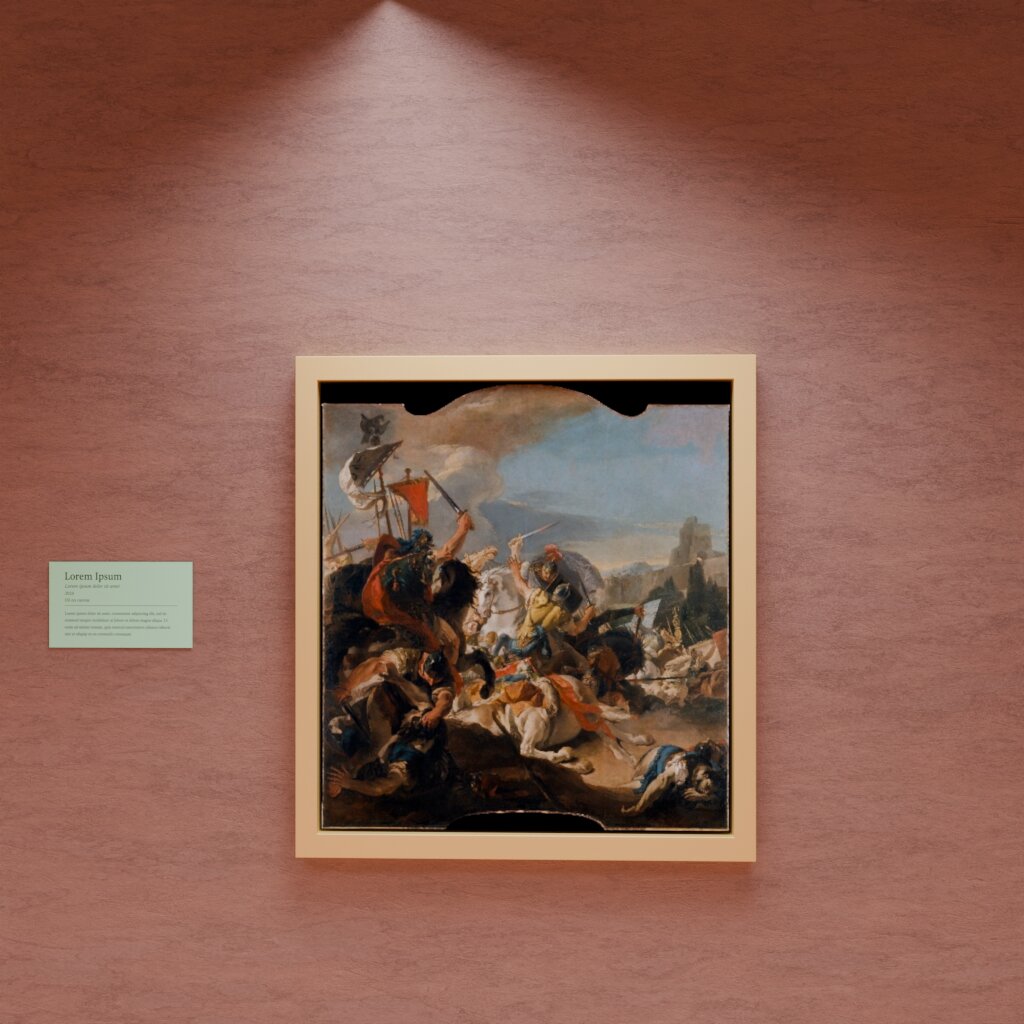
The Battle of Vercellae · Giovanni Battista Tiepolo, 1725–29
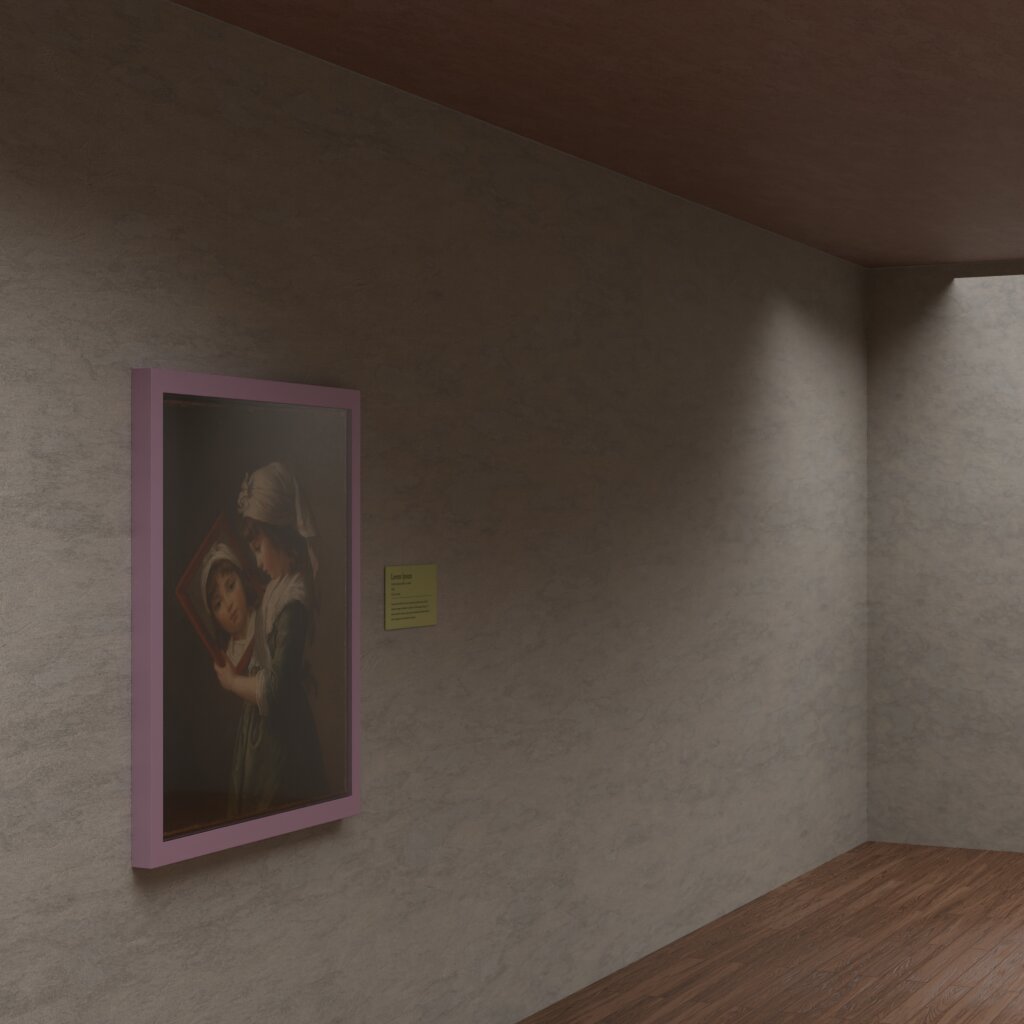
Julie Le Brun Looking in a Mirror · Elisabeth Louise Vigée Le Brun, 1787
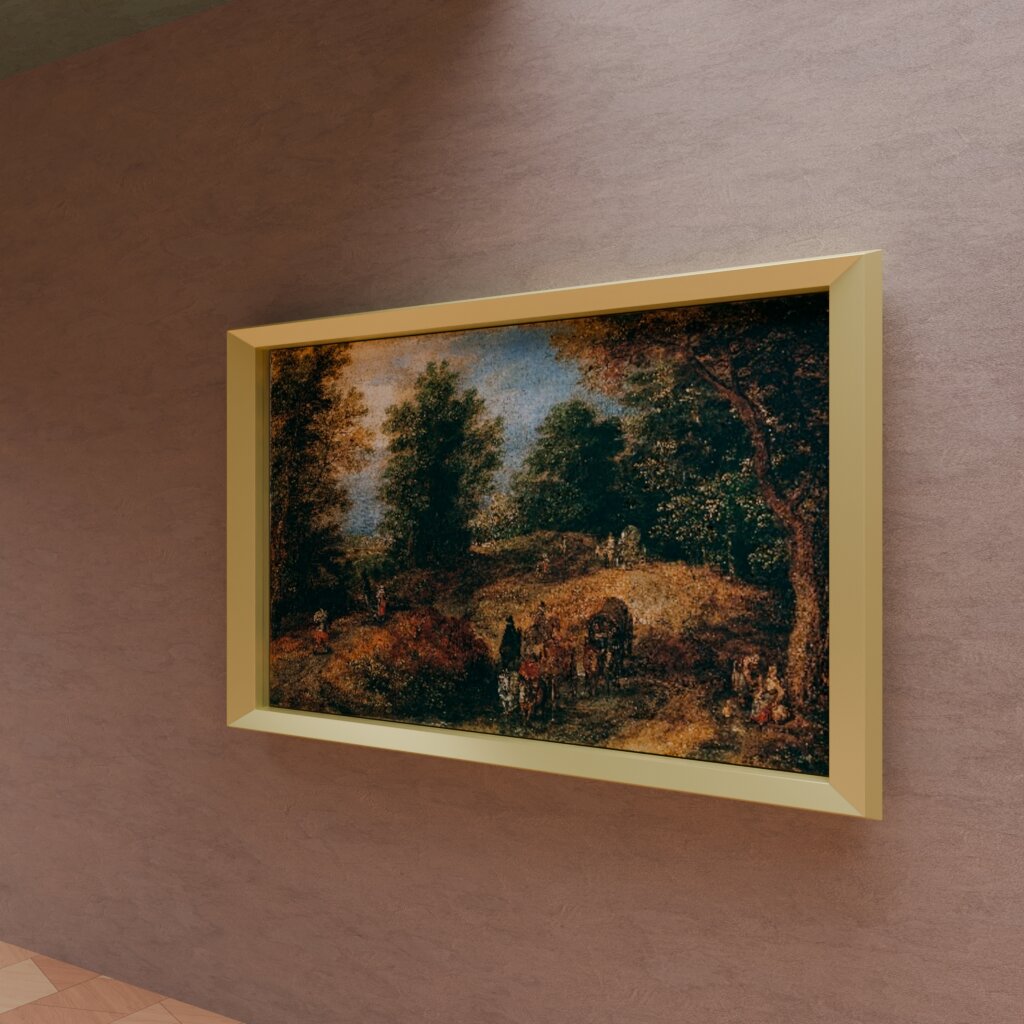
Landscape with Travelers on a Woodland Path · Jan Brueghel the Elder, ca. 1607
Acknowledgments



This research was conducted in collaboration with ArtiCollect, who funded the work, contributed to data collection, and provided domain expertise in art.
We also thank GreenMatterAI for contributing their expertise in large-scale synthetic data generation for computer vision.
This work was supported by the European Union through the EOSC-ARENA project (AI Research Enhancement through Networked Agents), Grant Agreement No. 101292597.
BibTeX
@misc{bartkowiak2026syngallery,
      title={SynGallery: A Synthetic Gallery of Real Paintings for Instance-Level Artwork Recognition},
      author={Patryk Bartkowiak and Jakub Markil and Bartosz Kotrys and Dominik Michels and Sören Pirk and Wojtek Palubicki},
      year={2026},
      eprint={2607.18907},
      archivePrefix={arXiv},
      primaryClass={cs.CV},
      url={https://arxiv.org/abs/2607.18907},
      note={To appear at the VISART VIII Workshop at ECCV 2026},
}